The Intracoastal Waterway is a modern marvel. It sits just inland from the Atlantic Ocean. Boat traffic moves up and down this every day from the Great Lakes all the way to the Florida Keys. Since we Americans love to live by the water, all along this waterway are bridges to crossover from beaches to towns to marinas to weekend getaways. Big bridges, small ones, fat ones skinny ones. The variety of bridges is as big as the variety of reasons we cross over them. We cruise over them with our cars, motorcycles, and bikes and hardly notice the ships and barges, water skiers and boaters just below all moving along this watery highway.
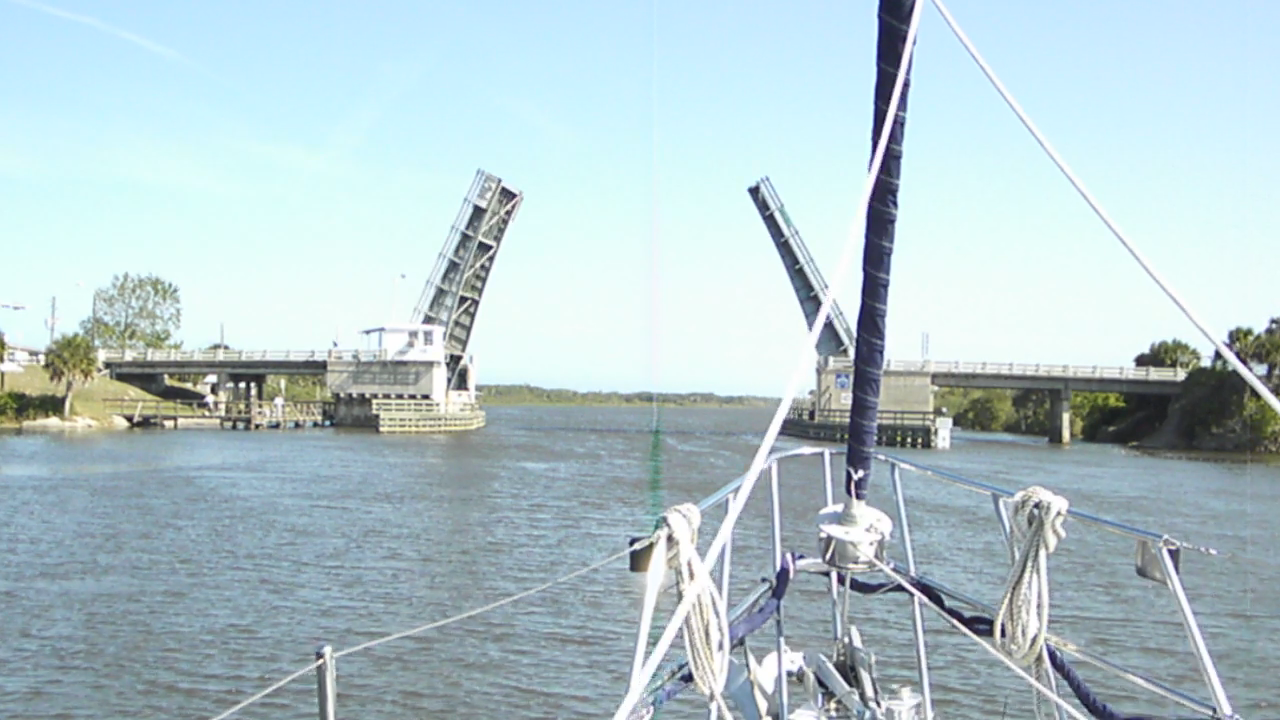
Up until a few months ago we were ICW virgins so to speak, and this was all new and intimidating to say the least. Many of the bridges are bascule type (has a pivoting section that is raised and lowered by counterweights). Each bridge lists the vertical clearance, usually around 27 ft with a horizontal clearance of somewhere between 60-90 ft. The horizontal number is how wide between the spans so boats know if they can make it thru single or if two boats can fit thru. Some spans are wide enough for three boats to enter at the same time.
Others, like yesterday for example, the Bennet Causeway Bridge that we squeezed thru, was under repair. It had a big fat barge smack in the middle so we only had a small entry way. This tends to keep you on your toes. Many times you can’t see what is on the other side until you are right up on the entrance. This time there was a sailboat sailing thru with all sails up, cutting the entrance side ways. Luckily, we saw him long before he reached the entrance. We could not both fit thru at the same time and because he was under sail he had the right of way since we were under power. We can maneuver more easily than the sailing vessel. So we called him up on channel 16 to arrange a safe passage for both vessels. No answer. Now we were stuck doing circles waiting for him to slowly meander thru. Fortunately, we had deep water on our side or I would have been blowing three blasts on the air horn and going in reverse.
The bascule bridges are the most fun but they have the ability to really pucker your behind if they don’t open when you expect them too. For example, at one bascule bridge we had a tug boat pushing a barge full of dredging tools following us. We called the bridge operator for an opening and he said continue our course and speed and by the time you get here we will have the bridge open for you. Sounds like a plan. This was one of those 27 ft vertical clearance bridges. Our mast sticks right up there at 60 ft so when you get close to these you can visualize at exactly which point your mast will collide with the bridge if something does not goes as planned. Oh, did I mention the ICW is just a bunch of rivers all flowing south. We are south bound so this river is pushing us towards the bridge – no propulsion required.
So we continue our course and speed as directed. The captain of the tug must have been in a hurry because he was closing in on our stern pretty fast. Closer and closer we get to this bridge and closer and closer the tug is pushing the barge ever nearer to our rear end. And the river keeps on flowing, and people keep on passing over the bridge. Pedestrians, bicycles, cars, trucks, and buses all keep coming. Oblivious to the plight of the sailboat below. These bridges all have loud horns that announce the opening and there was no horn….no gates coming down to stop traffic. I am getting right up to the boards. These are water line markers that show each boat what the clearance is at the current water level. This changes constantly due to the changes in tides and even flooding up river. I stop, pulling the throttle back. The tug was the first one to break radio silence. He asked if we were backing down. I said yes, I cannot get any closer to the bridge. I said, in fact I will soon be operating astern throttles if this bridge does not open soon. (The bridge operator must either have sleep apnea or he was watching cucumbers being placed behind cats on Face Book). Whatever he was doing – it was’t opening the bridge! I think he got a clue from our chatter and finally pulled his head out of his apps. He started the process of opening the bridge. This is not a speedy thing. It takes a few minutes to warn traffic to actually stop, to finally lift the bridge. And for those few minutes my pucker factor was maxed out! Whew, we made it thru another one.
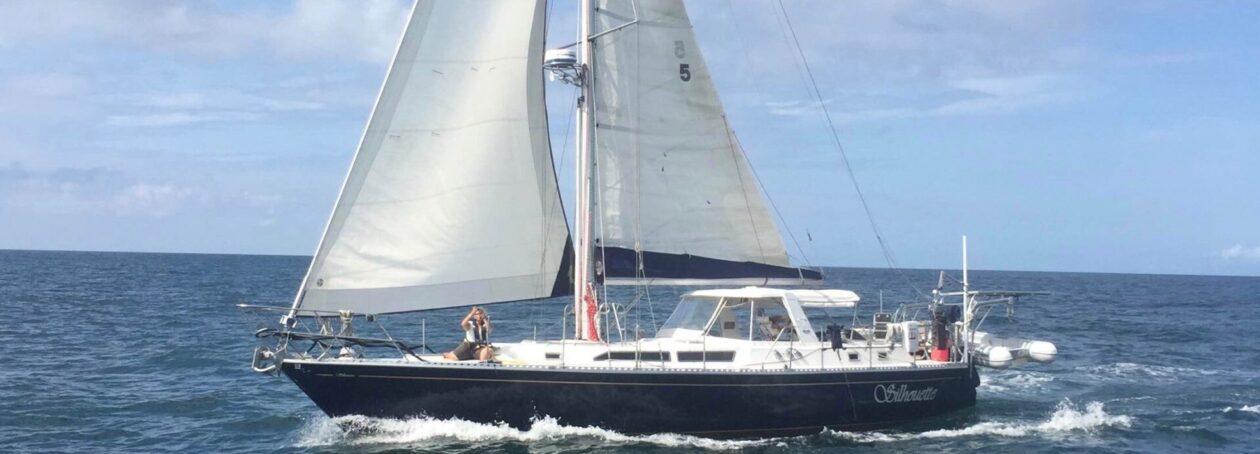
We took a little video of just a few bridges along the way. We will be uploading soon to our Youtube channel – svsilhouette. God Bless.